Category Archives: Web 2.0 Backlinks

단 1개의 백링크로 순위가 뒤집힌다: 아무도 알려주지 않는 안전한 링크 구매 전략

검색 결과 상단을 차지하는 사이트를 유심히 살펴보면 단순한 콘텐츠 경쟁을 넘어선 흐름이 존재한다. 눈에 보이지 않는 연결이 신뢰를 밀어 올리고, 그 신호가 순위를 끌어당긴다. 이 구조를 이해하면 경쟁이 치열한 키워드에서도 균열을 만들어낼 수 있다. 그러나 방향을 잘못 잡으면 순식간에 순위가 무너질 수 있다.


🎯 링크 구매의 본질, 속도가 아닌 설계

많은 사람들이 빠른 성과를 기대하며 링크를 대량으로 확보하려 한다. 하지만 검색 엔진은 급격한 변화에 민감하게 반응한다. 갑작스럽게 증가하는 연결은 자연스럽지 않게 보이며 의심을 유발한다.

안전한 접근은 속도를 늦추고 흐름을 조율하는 것이다. 마치 시간이 지나며 자연스럽게 퍼지는 것처럼 보여야 한다. 이런 방식이 장기적인 안정성을 만든다.


⚖️ 앵커 텍스트를 흩트려 자연스럽게 만드는 기술

링크 전략에서 중요한 요소 중 하나는 앵커 텍스트다. 동일한 문구를 반복하면 패턴이 고정되고, 이는 조작 신호로 해석될 수 있다.

다양성을 확보하는 방법은 다음과 같다:

  • 브랜드명을 활용한 연결 방식
  • 문장 속에 자연스럽게 녹아드는 표현
  • 의미가 넓은 일반 키워드 혼합
  • URL 그대로 노출하는 형태

이렇게 구성하면 인위적인 흔적이 흐려지고 신뢰도가 서서히 쌓인다.


🚫 위험한 PBN을 구별하는 기준

겉으로는 정상적인 사이트처럼 보이지만 내부를 들여다보면 허술한 구조가 드러나는 경우가 있다. 이런 네트워크는 시간이 지나면서 문제를 일으킨다.

다음과 같은 특징이 보이면 경계해야 한다:

  • 동일한 IP 환경에서 반복 생성된 사이트
  • 얕은 내용과 부자연스러운 문장
  • 방문자 활동이 거의 없는 페이지
  • 단기간에 급증한 도메인 묶음

이러한 요소는 검색 엔진이 쉽게 감지할 수 있는 신호다.


🛡️ 안전하게 링크를 확보하는 현실적인 접근

리스크를 줄이면서도 효과를 얻기 위해서는 명확한 기준이 필요하다.

1. 실제 트래픽이 존재하는 사이트 선택

활성화된 플랫폼은 신뢰를 자연스럽게 전달한다.

2. 콘텐츠의 흐름 확인

문장이 매끄럽고 억지스럽지 않은지 점검해야 한다.

3. 점진적인 증가 유지

짧은 기간에 과도하게 늘리는 방식은 위험하다.

4. 주제 관련성 확보

연관된 분야에서 연결될수록 효과가 커진다.

이러한 기준을 기반으로 구축된 백링크는 단순한 숫자가 아니라 신뢰를 전달하는 구조로 작동한다.


📈 장기적인 시선으로 접근하기

검색 최적화는 단기적인 결과를 노리는 게임이 아니다. 시간이 지나며 쌓이는 흐름이 결국 큰 차이를 만든다.

급하게 결과를 만들기보다 자연스럽게 확장되는 구조를 설계하는 것이 훨씬 안정적이다. 이런 접근은 경쟁 사이트를 धीरे 밀어내는 힘을 만들어낸다.


💡 결론: 보이지 않는 연결이 결과를 만든다

링크 전략은 단순한 작업이 아니라 설계에 가깝다. 앵커 구성, 사이트 선택, 증가 속도까지 모든 요소가 맞물려야 한다. 균형을 유지하면서 흐름을 만들면 검색 결과에서 확실한 차이를 만들어낼 수 있다.

성급한 선택을 피하고 정교한 접근을 선택하라. 그러면 순위는 흔들리지 않고 점점 더 견고해진다.

Web 2.0 Backlinks: The “Almost Forgotten” SEO Strategy That Still Nudges Rankings When Used Smartly

Search engine optimization evolves at a relentless pace. Techniques that once dominated the ranking landscape often fade as algorithms sharpen their ability to detect manipulation. Yet some strategies refuse to disappear completely. Instead, they linger quietly in the background, occasionally delivering surprising results when handled with care.

One such approach involves creating content on user‑generated publishing platforms and placing contextual links back to your primary website. Many marketers dismissed the tactic after years of abuse flooded the internet with spam pages. Despite that history, the strategy still holds value when approached thoughtfully and responsibly.

This article explains how to build web 2.0 backlinks safely, highlights several high‑authority platforms worth using, and explores whether this method still deserves a spot inside a modern SEO campaign.


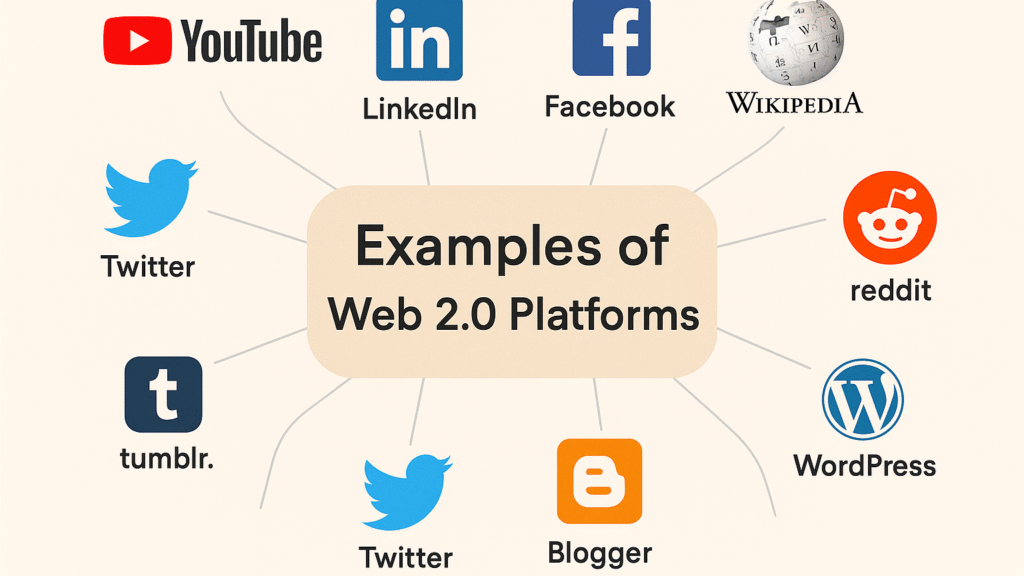
What Are Web 2.0 Platforms?

Web 2.0 platforms are websites that allow anyone to publish content without owning a domain or configuring hosting. Instead of building an entire site from scratch, you create pages or blogs inside an established ecosystem.

These platforms usually provide:

  • free publishing tools
  • built‑in audiences
  • fast indexing in search engines
  • trusted domain authority

Because the main domain already carries credibility, new pages can appear in search results quickly if the content provides genuine value.


Why Marketers Still Experiment With This Strategy

Even though search engines now emphasize editorial backlinks, some SEO professionals still sprinkle these pages into their campaigns.

A few reasons explain why the tactic survives.

Authority piggybacking
Publishing on established domains allows new pages to inherit part of the host site’s credibility.

Control over context
You decide where the link sits within the article and how it connects to the topic.

Additional brand visibility
Content published across different platforms expands your digital footprint.

Faster discovery crawlers
Large publishing networks attract frequent search engine visits.

Used carefully, these pages can reinforce an overall link profile rather than replace stronger backlink sources.


How to Build Them the Safe Way

The safest approach revolves around authenticity. Search engines reward pages that resemble genuine blogs instead of disposable link drops.

Create Real Content

Write a complete article that teaches, explains, or guides readers through a topic. Thin posts containing two paragraphs rarely survive algorithm scrutiny.

Strong pages usually include:

  • an engaging introduction
  • structured sections
  • practical insights
  • visual formatting
  • natural writing flow

When content feels useful, it blends into the platform naturally.


Avoid Aggressive Anchor Text

Over‑optimized anchors once caused countless penalties. Instead of forcing keywords, vary the language used within links.

Examples include:

  • brand names
  • plain URLs
  • descriptive phrases

This variation creates a more believable link profile.


Build Supporting Articles

A page containing one article and a single link appears suspicious. Add additional posts to make the mini‑site resemble a small blog rather than a doorway page.

Even two extra pieces can improve credibility.


Publish Gradually

Launching dozens of pages overnight often signals manipulation. Spread creation across weeks so the activity resembles normal publishing behavior.

Steady growth appears far more natural.


Include Outbound Authority Links

Referencing reputable resources strengthens trust signals. Linking to respected research or industry sources demonstrates that the article exists to inform rather than manipulate rankings.


High Domain Authority Platforms Worth Using

Certain publishing platforms possess strong domain metrics and long‑standing credibility. These websites allow users to create pages capable of ranking independently.

Popular choices include:

Medium
A massive writing community where informative posts frequently appear in search results.

.com
A hosted blogging network backed the well‑known ecosystem.

Blogger
Google’s long‑running blogging platform that receives consistent indexing attention.

Tumblr
A micro‑blogging network with millions of existing pages.

Wix
A website builder that allows full blog creation with visual design tools.

Weebly
Another drag‑and‑drop platform suitable for building simple niche sites.

Each platform offers a slightly different environment, but all provide the ability to publish long‑form content containing contextual links. To see more Web 2.0 websites examples follow the link.


Example of a Natural Web 2.0 Link

Imagine creating a small blog post about beginner SEO techniques on a publishing platform.

Inside the article you might write something like:

“Keyword research shapes the foundation of search visibility. This step‑‑step SEO tutorial explains the process in greater detail for beginners.”

The phrase SEO tutorial links to a detailed guide on your primary website. The connection feels natural because the link expands on the topic rather than interrupting it.


Mistakes That Sabotage Results

Many attempts fail because people chase shortcuts. These habits often damage credibility.

Common mistakes include:

  • generating hundreds of accounts through automation
  • copying identical articles across multiple platforms
  • publishing extremely short posts
  • forcing exact‑match anchor text repeatedly

Search engines easily recognize these patterns.

Quality almost always outperforms quantity.


Are These Links Still Worth Using Today?

The SEO landscape now favors genuine editorial backlinks earned through valuable content, digital PR, and partnerships with real websites. Those signals carry far more influence than links created on free publishing platforms.

However, this strategy can still provide modest benefits when used sparingly. It helps diversify a link profile, encourages search engines to discover new content, and creates additional brand touchpoints across the web.

The key lies in moderation. Treat these pages as small supporting assets rather than the backbone of an SEO campaign.


Final Thoughts

Search engine algorithms continue to evolve, rewarding authenticity while filtering out manipulation. Techniques that once relied on mass production now require thoughtful execution.

Creating useful content on established publishing platforms remains a subtle tactic that can reinforce a broader link strategy. Focus on writing helpful articles, place links naturally, and avoid shortcuts that resemble spam.

Handled carefully, this understated approach can still contribute small yet meaningful signals that strengthen your site’s overall authority.

Buy Backlinks Without Getting Burned: The Insider Blueprint SEO Agencies Don’t Want You to See

Search engines reward authority, relevance, and trust — but earning strong links organically can take months or even years. Many site owners accelerate growth acquiring placements from established websites. Done correctly, this strategy can strengthen rankings and visibility. Done recklessly, it can wipe out traffic overnight.

This guide explains how professionals approach link acquisition safely, where marketers typically source placements, and how to avoid the traps that destroy rankings.


Why Website Authority Still Depends on Links

Search engines evaluate credibility through references from other domains. When respected sites connect to your pages, algorithms interpret those signals as endorsements.

However, not every reference carries equal weight. A single contextual placement on a genuine editorial site often outranks dozens of artificial directory entries. Modern ranking systems analyze patterns such as topical alignment, traffic signals, and editorial authenticity.

That means careless link acquisition leaves obvious footprints.

Strategic acquisition, on the other hand, blends naturally into the web ecosystem.


How Professionals Acquire Links Safely

Experienced SEOs follow a disciplined process instead of chasing volume.

1. Focus on Real Websites

Strong placements usually come from sites that demonstrate:

  • Genuine visitor activity
  • Regularly updated content
  • Clear niche relevance
  • Organic keyword rankings
  • Natural outbound linking patterns

Avoid platforms that exist solely to host sponsored articles. If every page contains commercial anchors, search engines will notice.

Authentic editorial environments reduce risk and improve long-term stability.


2. Choose Contextual Placements

The safest links appear inside meaningful content.

Editorial placements should:

  • Fit the article topic naturally
  • Provide useful supporting information
  • Avoid forced anchor wording
  • Sit within relevant paragraphs

This creates signals consistent with organic references.


3. Maintain Anchor Diversity

Over-optimized anchors attract algorithmic scrutiny.

Healthy anchor profiles include:

  • Brand terms
  • URL anchors
  • Generic anchors
  • Partial-match phrases

Exact-match usage should remain limited to avoid suspicious patterns.


4. Control Velocity

Sudden spikes in link acquisition can trigger ranking volatility.

Gradual growth appears more authentic. Steady acquisition mirrors natural authority development and avoids algorithmic suspicion.


Where Marketers Actually Source Quality Links

Several platforms connect site owners with publishers. Some deliver real value while others distribute risky placements.

1. Rankers Paradise — Best Overall

Rankers Paradise stands out for consistent quality and careful site selection when you want to buy backlinks.

Why professionals prefer it:

  • Strict screening of publisher sites
  • Real organic traffic requirements
  • Niche relevance filtering
  • Natural content integration
  • Transparent metrics

Unlike mass marketplaces, placements tend to appear on genuine websites rather than disposable networks.

For long-term projects, this type of sourcing provides the strongest balance between safety and performance.


2. Outreach-Based Agencies

Custom outreach agencies secure placements through direct publisher relationships.

Advantages include:

  • Highly relevant placements
  • Authentic editorial context
  • Unique content
  • Manual negotiation

Disadvantages include:

  • Higher cost
  • Longer turnaround times

These services work well for competitive niches where authority matters.


3. Marketplace Platforms

Large marketplaces offer access to thousands of publishers.

Benefits:

  • Easy ordering
  • Wide selection
  • Fast turnaround

Risks:

  • Variable quality
  • Inflated metrics
  • Hidden networks

Careful vetting is essential before purchasing placements through marketplaces.


Should You Risk Purchasing Links?

This strategy occupies a grey area in search engine guidelines.

Penalties typically occur when patterns become obvious, not simply because links were acquired.

Common triggers include:

  • Massive spikes in acquisition
  • Identical anchors across domains
  • Network footprints
  • Irrelevant placements
  • Spam-heavy neighborhoods

Many successful websites quietly strengthen authority through paid placements while maintaining natural profiles.

The real risk comes from careless execution rather than the strategy itself.

At some point, nearly every competitive niche requires businesses to buy backlinks to keep pace with rivals who are already strengthening their authority.


How to Avoid Dangerous Private Blog Networks

Low-quality networks are responsible for many ranking crashes.

Warning signs include:

Identical Site Layouts

Networks often reuse themes and structures across domains.

If multiple sites look nearly identical, avoid them.


Suspicious Metrics

Red flags include:

  • High authority with low traffic
  • Sudden ranking spikes
  • Irrelevant keyword profiles

Real authority usually develops gradually.


Thin Content

Network sites often publish:

  • Generic articles
  • AI-heavy content with no depth
  • Short posts lacking structure

Strong sites invest in genuine content development.


Excessive Outbound Links

If every article contains multiple commercial anchors, the site likely exists only for selling placements.

Editorial websites link selectively.


Should You Risk Cheap Links?

Ultra-low-cost placements rarely deliver lasting results.

Cheap links often come from:

  • Automated networks
  • Expired domains
  • Spam-heavy directories
  • Weak content sites

Short-term gains sometimes occur, but instability follows.

Search engines continuously refine detection systems, making disposable placements increasingly risky.

Higher-quality placements may cost more initially, yet they protect long-term rankings and brand credibility.


The Smart Strategy for Sustainable Rankings

Successful SEO campaigns combine multiple methods:

  • High-quality editorial placements
  • Organic link attraction
  • Strategic outreach
  • Strong content assets

This balanced approach produces resilient authority.

Instead of chasing quantity, focus on trustworthy placements that reinforce credibility over time.

When executed carefully, strategic link acquisition becomes one of the most powerful tools for long-term search visibility.

Web 2.0 Backlinks: The Latest Trend in SEO Strategies

In the fast-paced world of digital marketing, web 2.0 backlinks are grabbing attention as one of the most effective SEO tools. Unlike conventional backlinks, web 2.0 backlinks are hosted on content-driven platforms like , Medium, Tumblr, and Weebly. These links don’t just redirect traffic—they endorse your website, amplify authority signals, and enhance visibility in search engines. For anyone striving to push a website to the top of search results, understanding how to obtain web 2.0 backlinks has become a must-have strategy.

Why Web 2.0 Backlinks Matter

Web 2.0 backlinks stand out because they exist on platforms with inherent authority. Search engines interpret these links as trustworthy recommendations rather than generic hyperlinks. Incorporating them into an SEO campaign can elevate domain credibility, attract targeted traffic, and create a diversified link profile. The combination of authority, relevance, and content placement ensures that your backlinks are both powerful and sustainable.

How to Get Web 2.0 Backlinks

1. Scout High-Authority Web 2.0 Platforms

The journey begins with scouting platforms that command strong domain authority. , Medium, Blogger, and Weebly are prime candidates. Prioritize sites recognized search engines to maximize the impact of your backlinks.

2. Craft Valuable and Original Content

Once a platform is selected, construct content that informs, entertains, or solves a specific problem. Articles, tutorials, or case studies work best, allowing backlinks to integrate naturally without feeling forced. Content that resonates with readers is more likely to gain traction and pass meaningful SEO value.

3. Strategically Embed Contextual Links

Placing links randomly diminishes their effectiveness. Instead, interweave backlinks thoughtfully within the text where they enhance the reader’s understanding. Proper contextual placement signals relevance to search engines and boosts the authority of the linked page.

4. Diversify Anchor Text

Anchor text shapes how search engines interpret your links. Use varied phrasing—branded, exact-match, and long-tail keywords—to strengthen the link profile and maintain a natural flow. Avoid repeating phrases to prevent triggering spam filters.

5. Keep Platforms Active

Web 2.0 backlinks are most effective when associated profiles remain dynamic. Regularly refresh content, add new posts, and adjust links to maintain relevance. Dormant accounts can erode link value over time, so consistent activity is critical.

6. Track Performance and Adjust Strategy

Monitoring is key. Analyze referral traffic, keyword rankings, and link impact using SEO tools. Focus on the platforms delivering measurable benefits and refine or remove underperforming links to optimize results.

Best Practices for Maximizing Web 2.0 Backlinks

  • Ensure all content is unique, engaging, and free of duplication.
  • Avoid keyword stuffing to maintain readability and natural flow.
  • Prioritize high-authority sites over low-quality directories.
  • Enrich content with multimedia such as images, videos, or infographics.
  • Rotate anchor text and link placement to simulate organic patterns.

Conclusion

Web 2.0 backlinks have emerged as a vital component in modern SEO strategies. By identifying authoritative platforms, crafting high-value content, and embedding links naturally, website owners can boost rankings, enhance domain authority, and attract sustainable traffic. Embracing web 2.0 backlinks ensures that your SEO approach remains effective, resilient, and competitive in a constantly evolving digital landscape.


Frequently Asked Questions

Q1: Are web 2.0 backlinks still relevant in 2025?
Yes. They continue to improve domain authority, diversify link profiles, and strengthen SEO when implemented thoughtfully.

Q2: Can I automate the creation of web 2.0 backlinks?
Automation is possible but discouraged. Manually crafted content appears more natural and yields higher SEO credibility.

Q3: How many web 2.0 backlinks should I target?
Focus on quality over quantity. Start with a few authoritative platforms and expand gradually while ensuring content remains original.

Q4: Do web 2.0 backlinks work for every niche?
Yes. From blogs to e-commerce to corporate sites, these backlinks provide SEO value when content aligns with the website’s focus.

Q5: How soon can I see results from web 2.0 backlinks?
Impact typically appears within 4–8 weeks, depending on platform authority, content quality, and search engine indexing.

Web 2.0 Backlinks: The Latest Game-Changer in SEO Strategies

In the constantly shifting landscape of digital marketing, web 2.0 backlinks have emerged as a powerful tool for boosting website authority and search engine rankings. Unlike traditional backlinks, these links originate from user-generated platforms that allow content creation, like , Blogger, or Tumblr. Incorporating web 2.0 backlinks into your SEO strategy can dramatically amplify your online presence if executed strategically.

What Are Web 2.0 Backlinks?

Web 2.0 backlinks are links that come from websites where users can freely publish content, often including articles, blogs, or even multimedia posts. These platforms allow marketers to craft compelling content that naturally includes links back to their main websites. Because search engines value diverse and authoritative link profiles, these backlinks can enhance your site’s credibility and visibility.

Unlike ordinary backlinks, web 2.0 backlinks provide more control over anchor text and content quality. By orchestrating well-written posts with relevant keywords, you can create backlinks that feel organic rather than forced, which search engines reward.

How to Get Web 2.0 Backlinks

Securing web 2.0 backlinks requires a combination of strategic planning, creativity, and consistency. Here’s a step--step guide to building them effectively:

1. Identify High-Authority Web 2.0 Platforms

Start scouting reputable web 2.0 platforms like Medium, HubPages, Weebly, and Tumblr. High domain authority sites will pass more link juice to your website, enhancing your SEO impact.

2. Craft Engaging, Original Content

Once you select platforms, compose unique content that adds value to the reader. Avoid rehashing generic material; instead, inject insights, case studies, or actionable tips. Content that resonates with audiences is more likely to be shared, increasing the potential for natural backlinks.

3. Integrate Backlinks Naturally

When embedding links, weave them seamlessly into your content. Avoid spammy practices; instead, reference your website as a helpful resource or solution to a problem. Search engines favor backlinks that appear contextually relevant rather than forced.

4. Maintain a Consistent Posting Schedule

Web 2.0 platforms favor consistent contributors. By publishing regularly, you can build authority and grow a following, which indirectly improves the credibility of your backlinks.

5. Promote Your Web 2.0 Posts

To maximize the reach of your backlinks, amplify your posts via social media, newsletters, or relevant forums. Increased traffic signals to search engines that your content is valuable, which can enhance the SEO benefits of your web 2.0 backlinks.

6. Monitor and Refine Your Strategy

Regularly audit your backlinks to ensure they remain active and relevant. Remove any broken links and refresh old posts with updated content to maintain their SEO impact over time.

Benefits of Web 2.0 Backlinks

  • Improved Search Rankings: Quality web 2.0 backlinks can elevate your site’s position on Google.
  • Diverse Link Profile: Adding different sources reduces the risk of search engine penalties.
  • Content Marketing Synergy: These backlinks allow you to share insights while simultaneously boosting SEO.
  • Increased Referral Traffic: Engaging posts can drive readers directly to your website.

Conclusion

Incorporating web 2.0 backlinks into your SEO toolkit is no longer optional; it’s a strategic necessity for modern digital marketing. By identifying high-authority platforms, producing engaging content, and naturally integrating backlinks, you can amplify your website’s visibility, authority, and traffic. These backlinks not only enhance rankings but also offer a long-term avenue for content promotion and brand credibility.


Frequently Asked Questions (FAQs)

Q1: Are web 2.0 backlinks safe for SEO?
Yes, if created on reputable platforms with high-quality content, web 2.0 backlinks are considered safe and effective for boosting search rankings.

Q2: How many web 2.0 backlinks should I create?
There’s no exact number, but consistency matters more than volume. Focus on quality and relevance over sheer quantity.

Q3: Can I use the same content for multiple web 2.0 sites?
It’s best to rewrite and adapt content for each platform to avoid duplicate content issues.

Q4: How long does it take to see SEO benefits from web 2.0 backlinks?
Typically, results can start appearing within a few weeks, but full impact depends on content quality, frequency, and overall site authority.

Q5: Do web 2.0 backlinks help with referral traffic?
Absolutely. Well-crafted posts can attract readers directly to your website, enhancing both traffic and engagement.