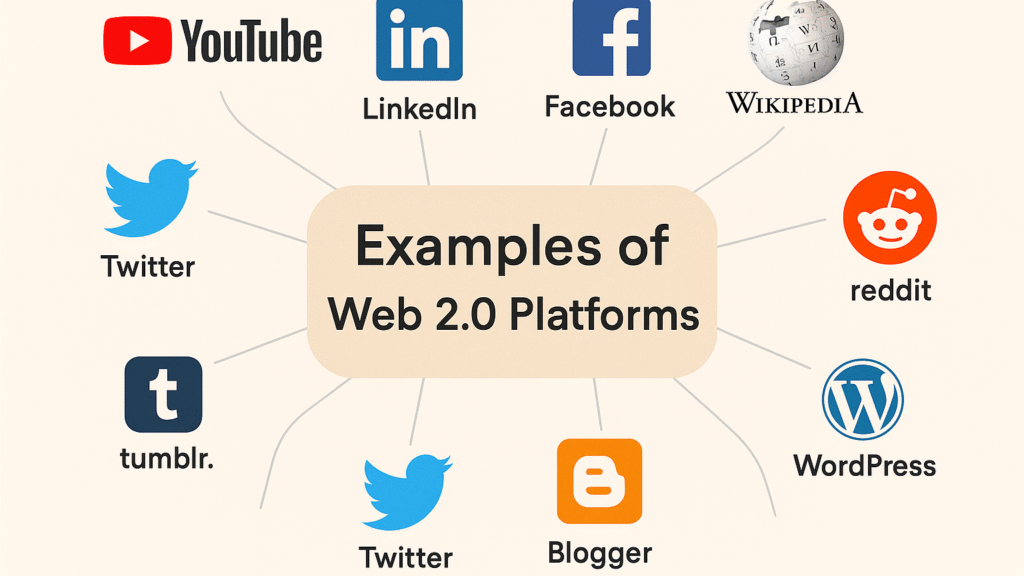
The SEO landscape has shifted into something far more selective, yet certain legacy tactics continue to linger beneath the surface of modern strategy discussions. One of the most debated methods involves self-published content pages that link out to primary websites, forming a controlled ecosystem of contextual signals that search engines may still interpret as relevance indicators.
Why This Method Still Gets Attention
Despite algorithmic advancements, search engines still rely on discovery pathways to find and categorize new content. Independent publishing pages can sometimes act as auxiliary entry points, helping crawlers identify and index related assets faster.
The key distinction today is intent and quality. Thin, repetitive pages are typically ignored, while structured, reader-focused content can still contribute subtle visibility benefits when used sparingly.
The Safe Way to Build These Links Without Leaving a Pattern
A careful approach begins with treating each published page as a standalone editorial asset rather than a promotional vehicle.
Start writing content for the web 2.0 backlinks that genuinely informs or explores a topic without any dependency on outbound links. The writing should feel complete even if no links are included at all.
Then, only introduce a reference link when it naturally enhances understanding. Forced placement or repetitive anchor styles are easy signals for detection systems to flag or devalue.
To reduce footprint risk, vary writing structure, topic angle, and tone across every published piece. Uniformity is often what exposes automated link-building behavior.
High-Trust Platforms Commonly Used for Publishing
These platforms are widely known for strong indexing performance and domain authority signals:
- .com — https://wordpress.com — Offers full blogging control and strong customization for structured content publishing
- Blogger — https://www.blogger.com — Fast indexing due to integration with Google’s ecosystem
- Medium — https://medium.com — Strong content discovery through internal recommendation systems
- Tumblr — https://www.tumblr.com — Ideal for short-form posts mixed with multimedia elements
- Substack — https://substack.com — Combines publishing with direct audience distribution via email
- Wix — https://www.wix.com — Enables full standalone site creation with blog features
- Weebly — https://www.weebly.com — Simple drag-and-drop site builder for lightweight publishing
- Ghost — https://ghost.org — Performance-focused publishing system designed for modern SEO structures
Each of these platforms functions as a distribution layer where content can be indexed and surfaced through different discovery mechanisms.
Example of a Natural Link Placement
A realistic scenario for web 2.0 backlinks would involve publishing a thought-leadership article on Medium discussing content ecosystems. Within a paragraph about digital architecture, you might include a contextual reference like:
“For a deeper breakdown of scalable content frameworks, readers can explore the full guide on yourdomain.com.”
The effectiveness comes from subtlety. Nothing feels engineered, and the link blends into editorial flow rather than disrupting it.
A Single Strategic Insight
At one point in SEO experimentation history, many marketers relied heavily on web 2.0 backlinks as a primary link-building tactic, but modern usage has shifted this approach into a more supportive and controlled role.
Do These Still Matter Today?
Their role has diminished in direct ranking influence, but they still offer auxiliary benefits when applied carefully.
Where they still provide value:
- Assisting faster discovery of new URLs
- Reinforcing topical associations across content clusters
- Supporting early-stage visibility for new domains
However, they rarely act as standalone ranking drivers anymore. Search engines now prioritize earned editorial mentions, engagement signals, and naturally acquired references far more heavily.
Final Perspective
This technique now functions more like a background support mechanism than a dominant SEO lever. When used sparingly and with editorial discipline, it can still contribute to a broader visibility strategy. When overused, it fades into algorithmic irrelevance, blending into the noise of low-value publishing activity.